Thoughts on Space, Simplicity & Sustainable Living

Long-form essays and practical insights from our team of organizers, designers, and mindfulness practitioners — written for anyone seeking a more intentional relationship with their home.

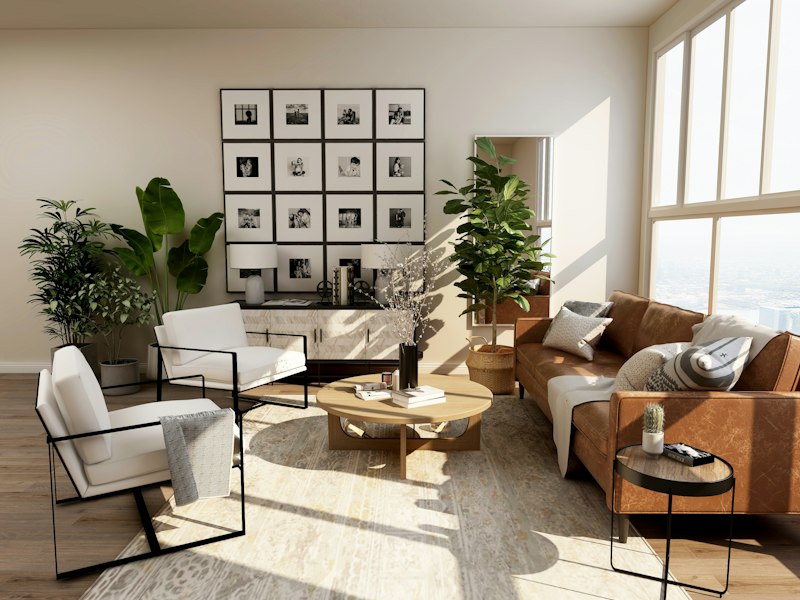
Minimalist living room with natural light and plants

The Unbearable Lightness of Letting Go

Why releasing possessions isn't about deprivation — it's about making room for the life you actually want to live.

There is a persistent cultural myth that minimalism is about sacrifice. That living with less means wanting less, enjoying less, being less. In our fourteen years of practice, we've witnessed the exact opposite. Clients who successfully declutter their homes consistently report feeling not emptier, but fuller — more present with their families, more creative in their work, more relaxed in their own skin.

The reason is neurological. Every possession you own occupies a sliver of cognitive bandwidth. Not just the physical space it takes up, but the mental overhead of maintaining it, deciding where to store it, remembering you own it, feeling guilty about not using it. Multiply that by thousands of items, and you begin to understand why walking into a cluttered home feels like walking into a noisy room — even when it's perfectly silent.

Letting go is not an act of renunciation. It is an act of reclamation. You are reclaiming your attention, your time, your mental clarity, and your physical space for the things and experiences that genuinely matter to you. That is not deprivation. That is freedom.

From Our Desk to Yours

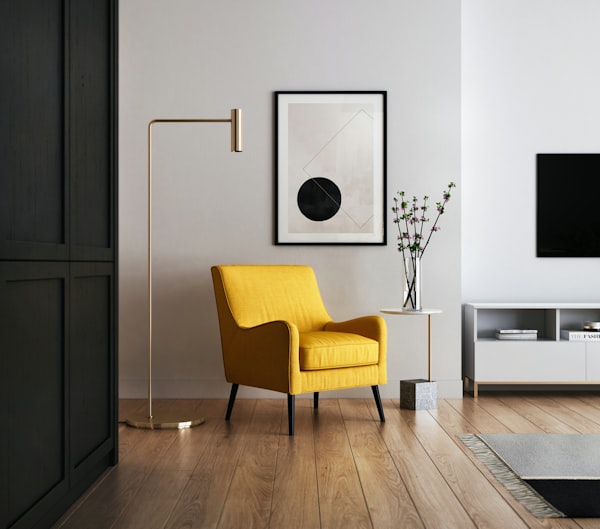
Organized home workspace with warm lighting

The Hidden Cost of the Junk Drawer

That seemingly harmless catch-all drawer in your kitchen is doing more damage to your daily efficiency than you think. Here's the neuroscience behind why — and a 20-minute fix that changes everything.

Every time you search for a misplaced item — batteries, scissors, a specific charging cable — your brain enters a state researchers call "attentional switching." This micro-disruption may seem trivial, but studies show that it takes an average of 23 minutes and 15 seconds to fully re-engage with a task after an interruption. When your home generates dozens of these tiny interruptions daily, the cumulative cognitive cost is staggering.

The solution isn't complicated. It requires a single afternoon, a few drawer organizers, and the willingness to be ruthlessly honest about what actually belongs in that drawer versus what landed there out of indecision. We recommend a simple four-category sort: Keep Here, Relocate, Donate, Discard.

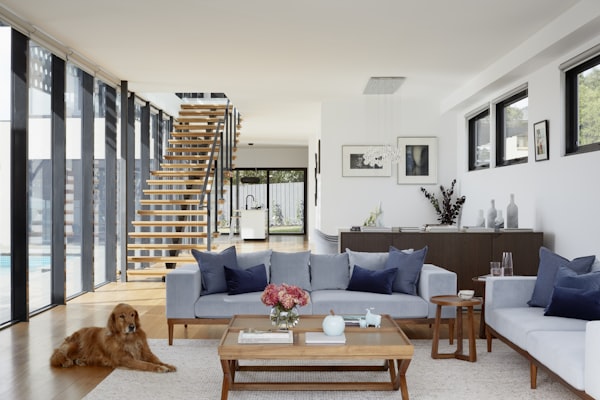
Sustainable kitchen with glass containers and natural materials

Organizing Without Plastic: A Sustainable Pantry Guide

The irony of buying plastic storage bins to "get organized" isn't lost on us. Here's how to build a fully sustainable kitchen storage system using glass, wood, cotton, and reclaimed materials.

The sustainable organizing movement isn't about perfection — it's about making better choices at each decision point. When your current plastic bins wear out, replace them with glass jars from restaurant supply stores. When you need drawer dividers, consider bamboo or reclaimed wood options. Cotton mesh bags can replace plastic zipper bags for dry goods, and beeswax wraps handle everything cling film used to.

We've compiled a complete, room-by-room guide to replacing conventional storage products with sustainable alternatives — without sacrificing functionality or aesthetics. The upfront investment is marginally higher, but the longevity of these materials means you'll spend less over time while generating significantly less waste.

Peaceful bedroom with neutral tones and minimal decor

The Bedroom Audit: How Your Sleep Space Affects Your Rest

Clinical research confirms that bedroom clutter directly correlates with poor sleep quality. Our team shares the five-step bedroom audit we perform during every Whole-Home Transformation.

The National Sleep Foundation's 2023 survey found that people who make their bed every morning are 19% more likely to report getting a good night's sleep. But it's not the act of bed-making that matters — it's what it represents: a bedroom environment designed for rest, not storage, not work, not scrolling.

Our five-step bedroom audit addresses: visual clutter (everything you can see from the pillow), textiles (sheets, pillowcases, blankets that may be past their useful life), nightstand discipline (only what serves sleep), closet proximity (the psychological weight of a messy closet even when the door is closed), and ambient environment (light, temperature, and sound).

Why Americans Own So Much (And What We Can Do About It)

The average American home contains over 300,000 items. That number isn't an accident — it's the product of decades of cultural conditioning, sophisticated marketing, and a housing industry that equates square footage with success.

Consider this: in 1950, the average American home was 983 square feet. Today, it's over 2,400 square feet — yet we have less free space than ever. We've filled the expansion with stuff. Storage units are a $38 billion industry in the United States. We're literally renting extra rooms to hold things we don't use, can't find, and often forget we own.

This isn't a moral failing. It's a systemic challenge rooted in how our economy, our advertising landscape, and our social norms interact. Buying is easy — it's engineered to be. Releasing is hard — because every possession triggers loss aversion, one of the most powerful cognitive biases in the human brain. We feel the pain of losing something approximately twice as intensely as we feel the pleasure of gaining it.

Understanding this dynamic is the first step toward changing it. When you know that your reluctance to part with an unused bread maker isn't rational — it's neurological — you can start to make decisions based on how you want to live rather than on the anxiety of letting go.

This is the foundation of everything we do at Serene Images. We don't judge. We don't lecture. We provide a framework, a compassionate presence, and a systematic process that makes the hard work of intentional living feel not just manageable, but genuinely rewarding.

Ready to Write Your Own Chapter?

If these ideas resonate with you, imagine what a professional transformation could do for your home and your well-being.

Schedule a Free Consultation

Processing Your Request...